Hey gardeners!
It’s January, and while the snow might be piling up outside, it’s the perfect time to get a head start on the growing season. Starting seeds indoors in January can give your plants a significant advantage, especially in a shorter growing season like mine here in Zone 5.
Now, I know what you’re thinking: “Indoors? In January? In this tiny apartment?” Trust me, I get it. Space and resources can be a real challenge for the urban or small-space gardener. But with a little planning and creativity, you can absolutely grow some amazing things from the comfort of your own home.
What to Start in January
Here are a few veggies and fruits that thrive when started indoors this month:
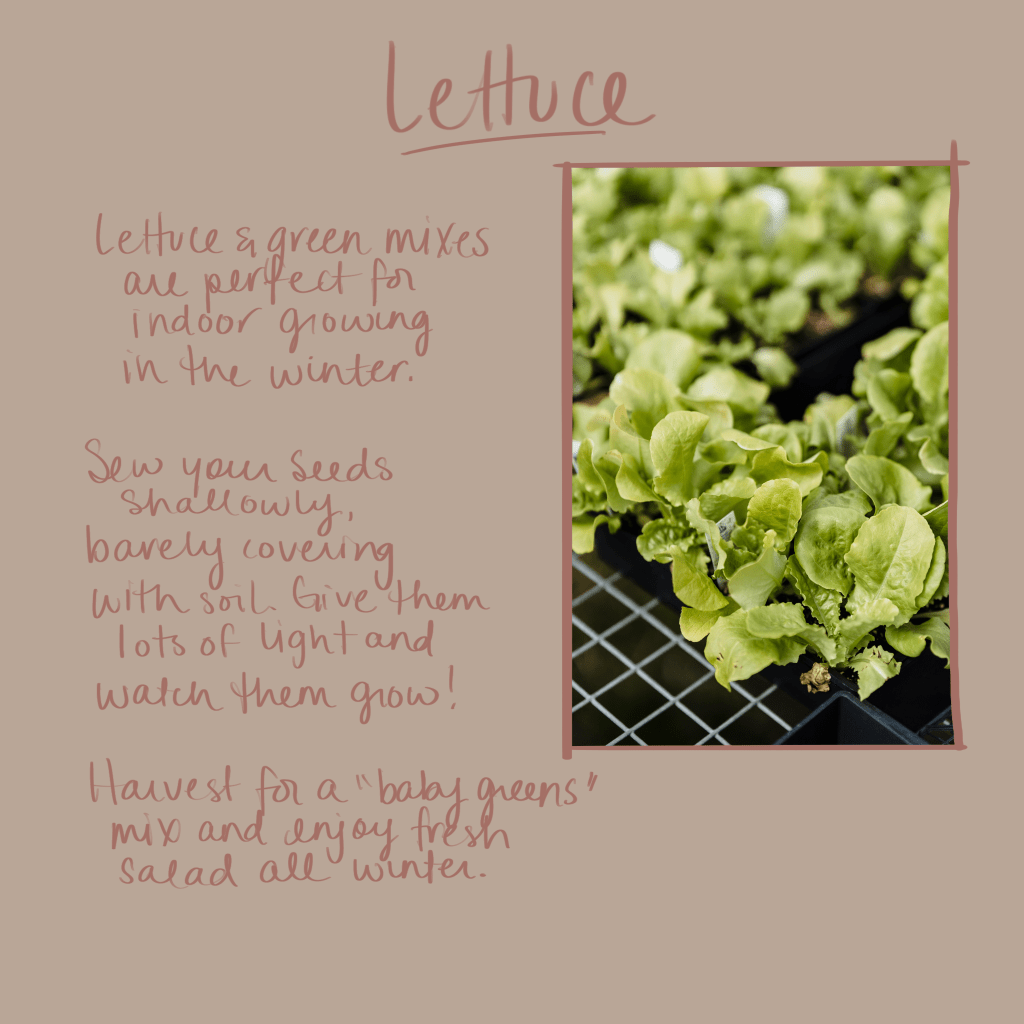
Leafy Greens (Lettuce, Spinach, Arugula)
Lettuce and green mixes are perfect for indoor growing in the winter. Sew your seeds shallowly, barely covering them with soil. Give them lots of light and watch them grow! Harvest for a baby greens salad all winter long. Quick growers like spinach and arugula are also ideal for windowsill gardens.
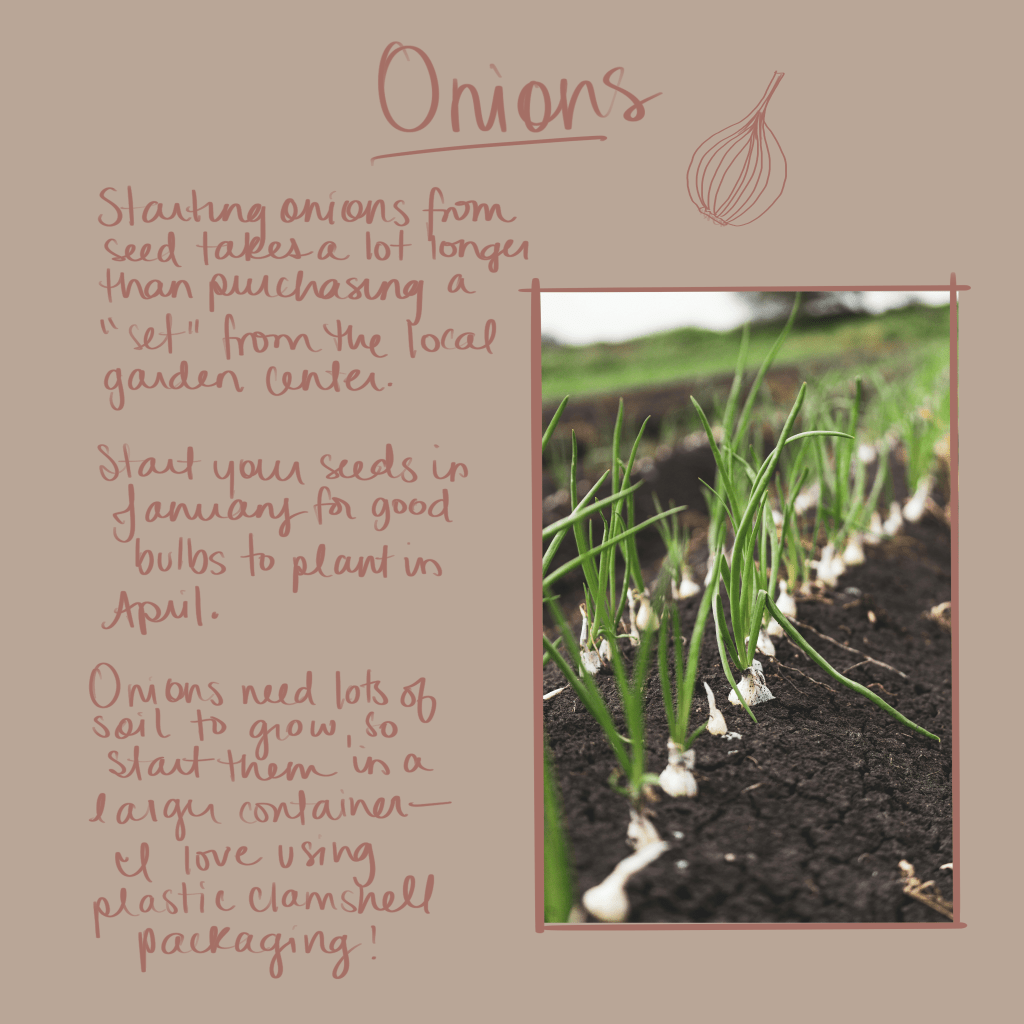
Onions
Starting onions from seed takes a lot longer than purchasing a “set” from the local garden center. However, it’s worth it for robust and flavourful bulbs. Start your seeds in January to ensure good bulbs for planting in April. Onions need lots of soil to grow, so start them in a large container—I love using repurposed plastic clamshell packaging!
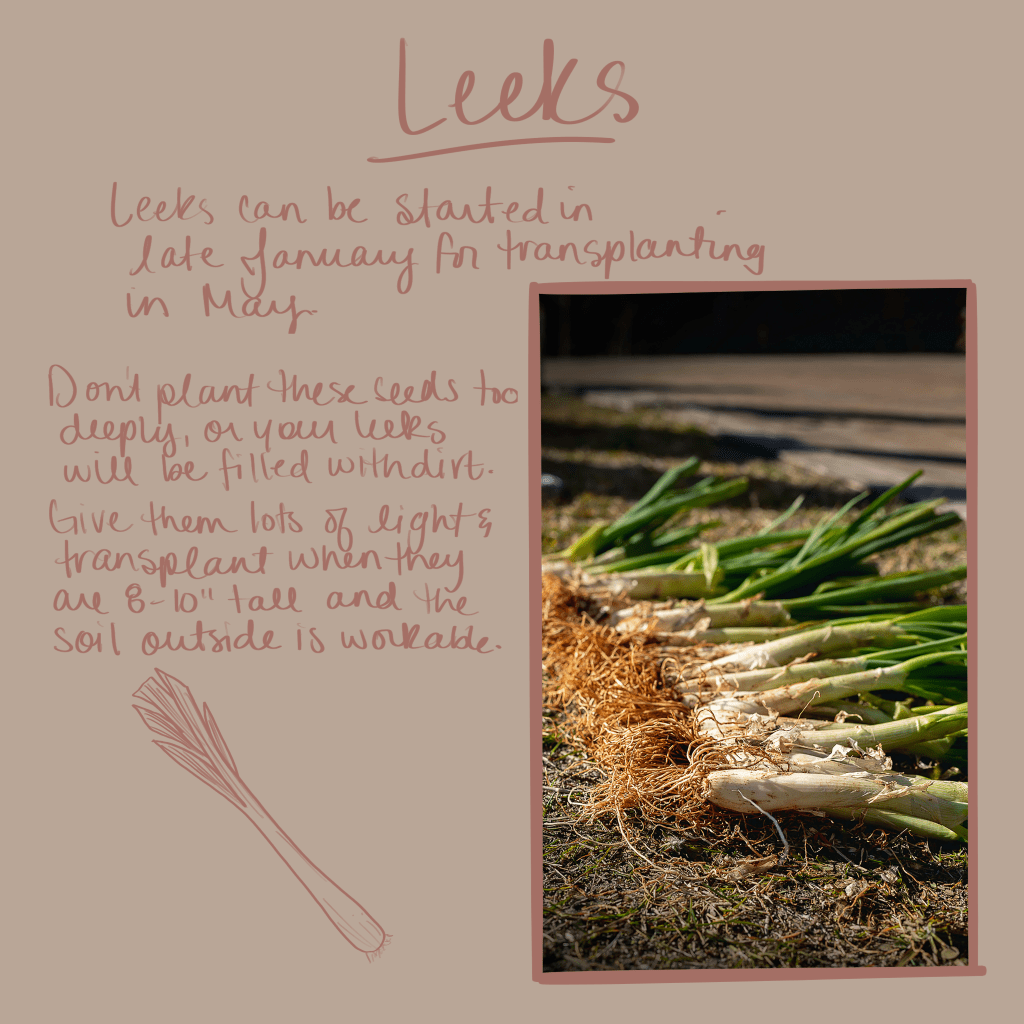
Leeks
Leeks can be started in late January for transplanting in early May. Don’t plant these seeds too deeply, or your leeks will be filled with dirt. Give them lots of light and transplant them when they’re 8-10 inches tall, and the soil outside is workable.
Strawberries
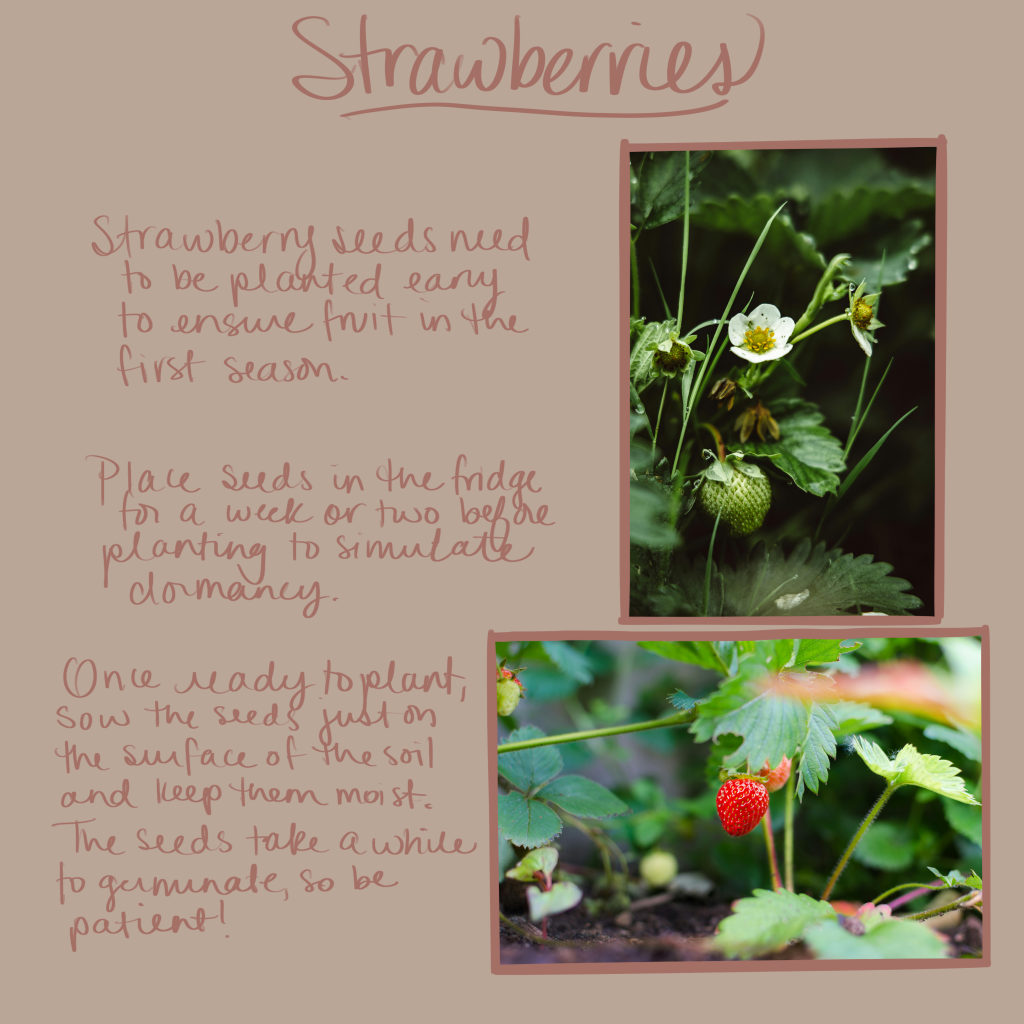
Strawberry seeds need to be planted early to ensure fruit in the first season. Place seeds in the fridge for a week or two before planting to stimulate dormancy. Once ready, sow the seeds just on the surface of the soil and keep them moist. Be patient—they can take a while to germinate.
Peppers
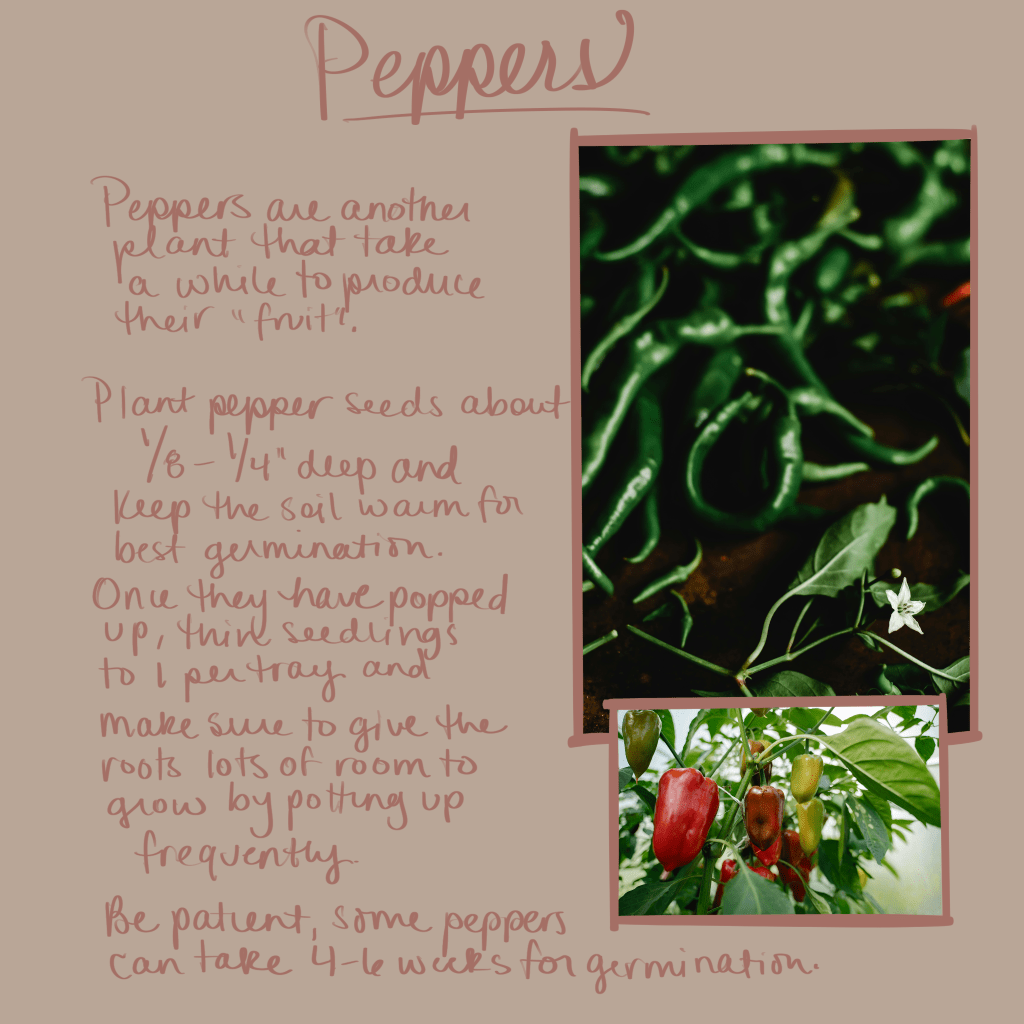
Peppers take a while to produce their “fruit,” so planting early is key. Plant pepper seeds about 1/8-1/4 inch deep and keep the soil warm for the best germination. Once they sprout, thin them to one seedling per tray and give the roots plenty of room to grow by potting up frequently. Hot peppers, in particular, can take 4-6 weeks to germinate—so patience is key!
Asparagus
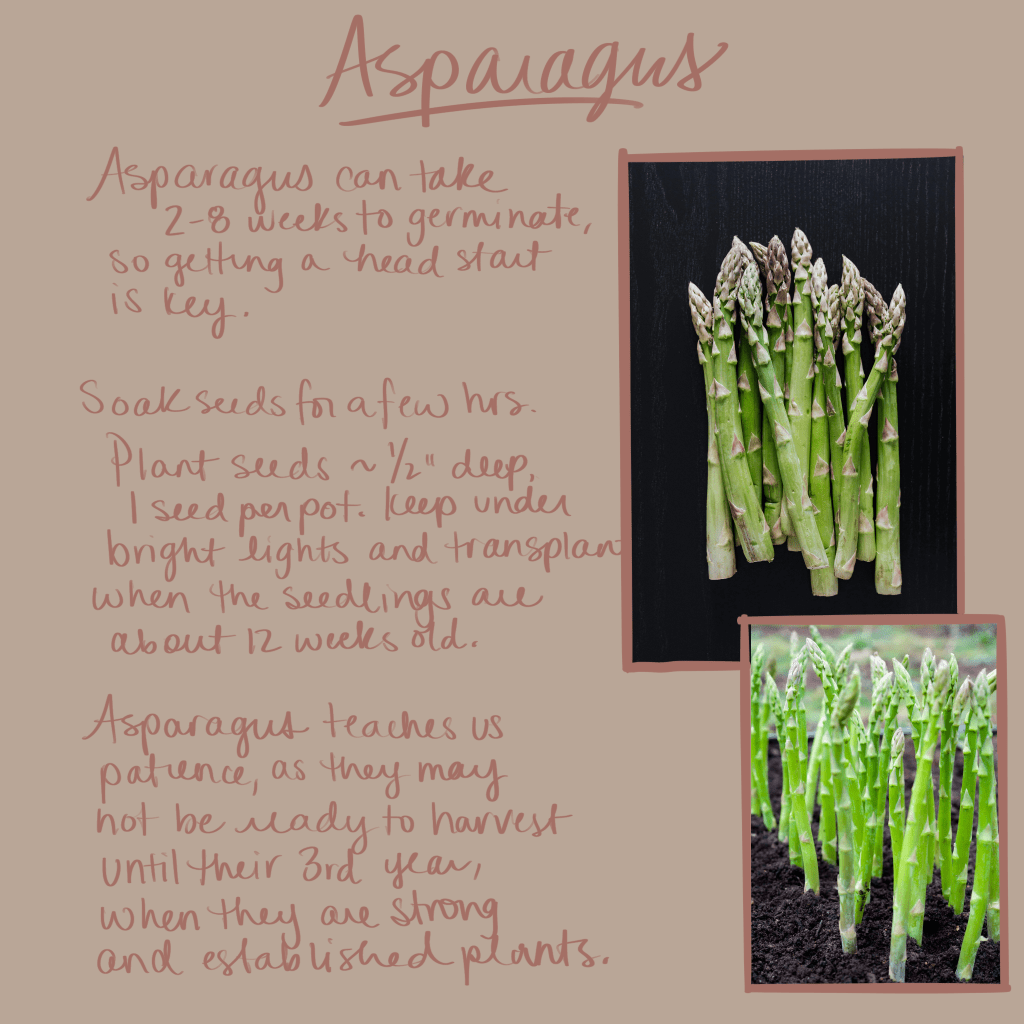
Asparagus teaches us patience. Start seeds indoors now, as they can take 2-8 weeks to germinate. Soak the seeds for 2-6 hours before planting, then plant them ½ inch deep, one seed per pot. Keep them under bright lights and transplant when seedlings are about 12 weeks old. While they’ll take 2-3 years to produce, the wait is worth it.
Microgreens
Microgreens are an excellent way to get some fresh greens during the winter months. They’re quick to grow and add a nutrient-packed punch to your meals. Check out my microgreens growing guide here for more tips!
Tips for Success
- Light: Most seedlings need at least 14-16 hours of light per day. Consider using grow lights or placing your seedlings near a sunny window.
- Soil: Use a seed starting mix or make your own!
- Water: Keep the soil consistently moist but not soggy. A lot of seedlings can be prone to “dampening off” if the soil is too moist. If you have this issue, use a fan to circulate the air and dry out the soil faster.
- Temperature: Maintain a warm temperature for your soil. If you are growing them in a really cold area, you might benefit from using a heat mat – these are the ones I use!
- Thinning: Once your seedlings have a few true leaves, thin them out to give them enough space to grow.
Sustainability Tips
- Reuse containers: Repurpose yogurt cups, egg cartons, plastic clamshells, or even toilet paper rolls as seed-starting containers.
- Collect rainwater: Use rainwater to water your seedlings.
- Compost your kitchen scraps: Create your own nutrient-rich soil for your seedlings. Use a Lomi composter to make compost easily indoors!
Starting seeds indoors in January might seem daunting, but it’s a rewarding experience. By following these tips and embracing a sustainable approach, you can enjoy a bountiful harvest—even in a small space. Happy gardening!
Looking to start your flower garden this month as well? Check out our January Flower Seed Guide here.
Please note this post contains affiliate links.
 Gather With Kate
Leave a comment